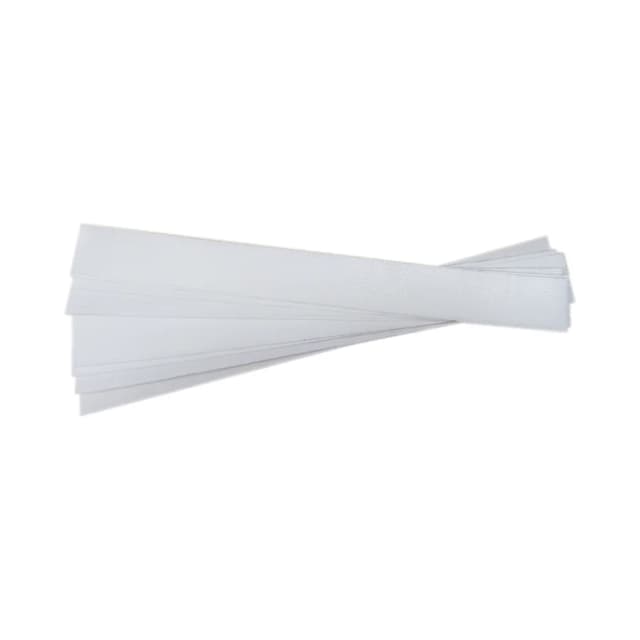
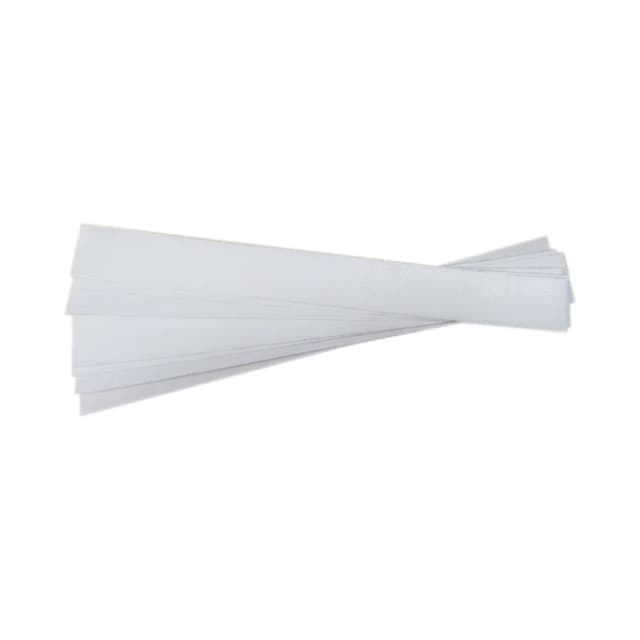
The Z600-S3-F7u is the 7 micron pore-size filter material for the Hermle SIEVA-3 filtration centrifuge family, PP DWL (polypropylene double-woven) construction, supplied as a pack of 10 filters per SKU. The 7 µm pore is the finest in the SIEVA-3 filter catalog (which covers 7 µ / 20 µ / 30 µ / 50 µ); it's the right pick when the workflow requires retention of fine particulates that coarser filter pores would let through. Pharmaceutical crystallizate isolation, fine-API recovery, fine-particulate slurry dewatering, and similar workflows where the smallest particle class needs to be retained on the filter surface use this pore size.
Key Specifications
| SKU | Z600-S3-F7u |
| Type | Filter material (consumable) |
| Pore size | 7 µm (finest in the SIEVA-3 filter family) |
| Material | PP DWL (polypropylene double-woven) |
| Pack quantity | 10 filters per pack |
| Per-filter cost (this SKU) | $184 per filter |
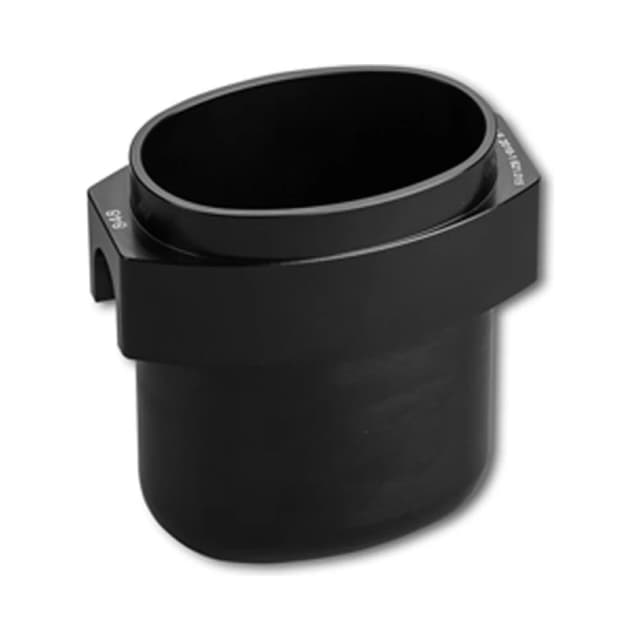
| Compatible basket | Z600-500-P (perforated 500 mL centrifugal basket) and Z600-S3-PC (SafeCoat-coated perforated basket) for the Hermle SIEVA-3 family |
| Compatible chassis (when basket installed) | Z600-S3 family: Z600-S3, Z600-S3-TC |
| Max. operating speed (in basket) | 10,000 rpm at SIEVA-3 chassis maximum |
| Max. RCF in basket | 7,825 × g |
| List price | $1,841 (pack of 10) |
Compatibility & Use
SIEVA-3 family only. The Z600-S3-F7u filter is engineered for the perforated centrifugal basket (Z600-500-P or Z600-S3-PC) inside a SIEVA-3 chassis (Z600-S3 family). Not compatible with rotor-based centrifuges in the rest of the Hermle line; the SIEVA-3 is the only filtration centrifuge in the catalog.
How filter pore size affects the workflow. In a filtration centrifuge, the filter material lines the inside of the perforated basket. As the basket spins, the liquid phase is driven through the filter and out through the basket perforations, while the solid phase is retained on the filter surface as a centrifuge cake. The pore size determines which particle classes are retained:
- 7 µm (this SKU). Finest pore; retains the smallest particle classes; longest filtration time per cycle as cake forms; appropriate for fine pharmaceutical crystallizates, fine-API recovery, fine-particulate slurries
- 20 µm (Z600-S3-F20u): mid-fine; retains mid-size particles; faster filtration than 7 µm; common for intermediate crystallizate work
- 30 µm (Z600-S3-F30u): mid-coarse; faster filtration; appropriate for larger crystallizates and biomass dewatering
- 50 µm (Z600-S3-F50u): coarsest; fastest filtration; appropriate for large-particle slurry dewatering, food-science biomass recovery, brewing yeast retention
Pore size selection requires workflow validation. The operator typically validates separation performance across two or three pore sizes before settling on the production pore size for a given product. Initial SIEVA-3 installs commonly include packs of multiple pore sizes for this characterization phase.
Application Profile
Fine pharmaceutical crystallizate isolation. When the synthesis or formulation step yields fine crystals that need full retention from mother liquor, the 7 µm pore prevents fine-crystal loss into the filtrate.
Fine-API recovery. Active pharmaceutical ingredient workflows producing fine-particle products where the API economic value justifies the slower filtration time of fine-pore filtration in exchange for higher product retention.
Fine-particulate slurry dewatering. Catalyst recovery from fine-particle catalyst suspensions, fine polymer-bead workflows, and similar fine-particle solid-liquid separation applications.
Method-development validation runs. When characterizing a new SIEVA-3 workflow, the 7 µm pore is the typical "tightest" pore tested, comparing recovery at 7 µm vs coarser pores establishes the workflow's pore-size requirement.
Microbiology fine-cell retention. When a workflow requires retention of small bacterial cells (typically 0.5–2 µm) on the filter, the 7 µm pore is the closest available, though for sub-micron retention, supplementary filtration steps are typically required.
Inventory & Workflow Notes
Pack of 10 per SKU. Production-scale SIEVA-3 workflows that run multiple cycles per day consume filters at the rate of one per cycle (or one per a defined number of cycles depending on cake-cleaning protocol). At one filter per cycle and 10 cycles per day, a pack of 10 = one operating day. Stock multiple packs accordingly.
Filter installation. Filters seat into the perforated basket per the SIEVA-3 operator's manual installation procedure. Confirm filter integrity (no tears, no creases) before installation. A damaged filter will leak the solid phase into the filtrate.
Single-use vs reuse. Filters are typically single-use for pharmaceutical-grade workflows where any cake residue between batches would compromise product purity. For non-cGMP workflows (food science, environmental), filters may be cleaned and reused per the workflow's cleaning protocol.
Coarser-pore alternatives. If the workflow doesn't require 7 µm fine retention, the coarser-pore variants (Z600-S3-F20u, F30u, F50u) deliver faster filtration cycles at lower per-filter cost, appropriate trade-off when fine-particle retention isn't workflow-critical.
Ordering & Configuration
Z600-S3-F7u ships as a pack of 10 filters. Filter material only, basket (Z600-500-P or Z600-S3-PC) and SIEVA-3 chassis sold separately.
Confirm at quote: pack quantity per workflow throughput (one pack = ~10 cycles at single-use cadence), pore-size validation packs if commissioning a new SIEVA-3 install (typical to order F7u + F20u + F30u + F50u together for method-development characterization), and lead time for restocking.
Warranty: Filter material is a consumable; quality is guaranteed against manufacturing defect at time of delivery. No service-life warranty applies (filters are single-use or limited-reuse per workflow).
Pore-size selection guide:
- 7 µm (this SKU). Finest; pharmaceutical crystallizates, fine-API recovery, fine-particle slurries
- 20 µm (Z600-S3-F20u): mid-fine; intermediate crystallizates, mid-particle slurries
- 30 µm (Z600-S3-F30u): mid-coarse; larger crystallizates, biomass dewatering
- 50 µm (Z600-S3-F50u): coarsest; large-particle slurries, brewing yeast, food-science biomass
Match the pore size to the smallest particle class the workflow needs to retain.