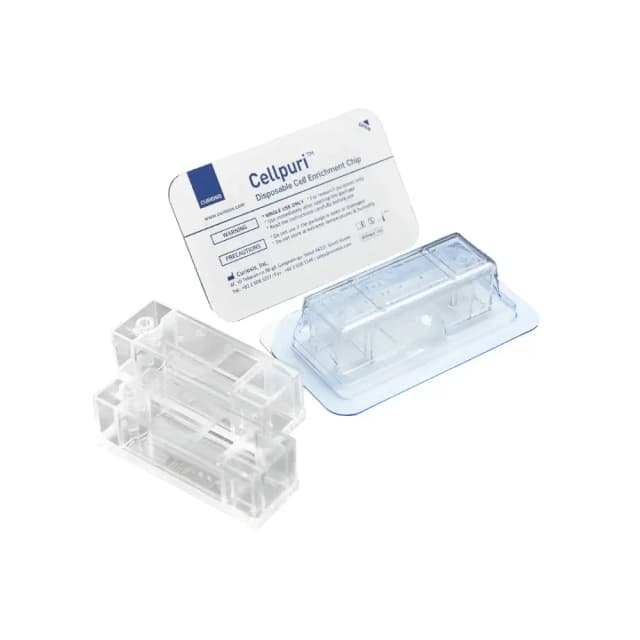
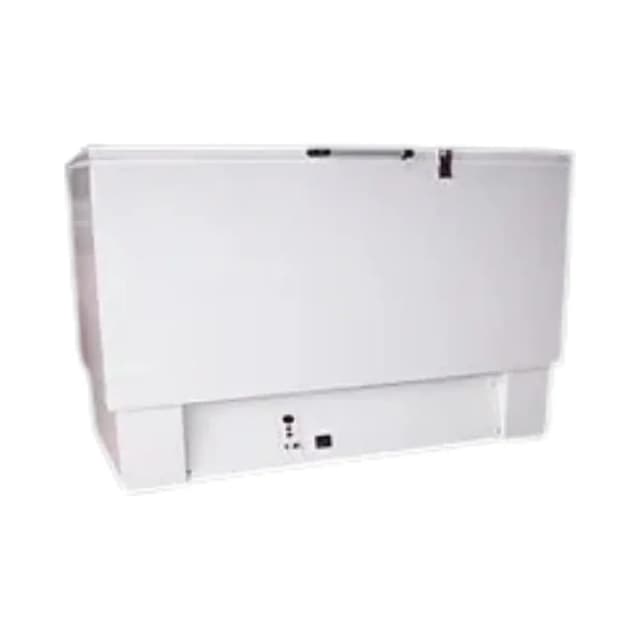
The Yamato PTX-PR1-RUO is the Parsortix PR1 circulating-tumor-cell (CTC) platform for research use only. It uses a patented, single-use microfluidic cassette to capture and harvest viable CTCs and CTC clusters from a blood sample based purely on cell size and deformability. An epitope-independent approach that does not rely on surface-marker antibodies. Because it captures by physical properties rather than a specific antigen, it isolates a wide range of cell types, including invasive, treatment-resistant mesenchymal cells and cells undergoing epithelial-to-mesenchymal transition (EMT), enabling non-invasive "liquid biopsy" workflows.
Key Specifications
| SKU | PTX-PR1-RUO |
| Product | Parsortix PR1 Instrument (Research Use Only) |
| Capture principle | Size- and deformability-based, epitope-independent (marker-free) |
| Consumable | Patented single-use microfluidic cassette |
| Output | Captures and harvests viable CTCs and CTC clusters |
| Cell types isolated | Broad range, incl. invasive/treatment-resistant mesenchymal cells and EMT cells |
| Sample | Peripheral blood (liquid biopsy) |
| Regulatory status | Research Use Only (not for diagnostic procedures) |
| Companion | CellKeep Slide (harvested-cell transfer/retention; ordered separately) |
Application Profile
The scientific case for epitope-independent CTC capture is that the most clinically interesting tumor cells are often the ones antibody-based methods miss. Cells undergoing EMT downregulate the epithelial markers (like EpCAM) that marker-dependent enrichment relies on, yet those are precisely the invasive, migratory cells implicated in metastasis and treatment resistance. By separating on size and deformability inside a microfluidic cassette, the Parsortix PR1 captures this fuller population, including CTC clusters that carry outsized metastatic significance.
Because captured cells are harvested viable, the workflow feeds a wide analytical downstream: culture, single-cell analysis, molecular profiling, and imaging. That makes the PR1 a research foundation for liquid-biopsy programs studying cancer heterogeneity, therapy response, and metastatic biology without a tissue biopsy. In practice, labs pair the instrument with the CellKeep Slide to retain harvested cells and preserve their morphology for transfer onto a microscope slide.
Frequently Asked Questions
How does the Parsortix PR1 capture CTCs? Through a patented single-use microfluidic cassette that separates cells by size and deformability. An epitope-independent method that needs no surface-marker antibodies.
Why does epitope-independent capture matter? It recovers cells that marker-based methods miss (especially EMT and treatment-resistant mesenchymal cells that shed epithelial markers) giving a more representative CTC population, including clusters.
Are the captured cells still viable? Yes. The platform captures and harvests viable CTCs and CTC clusters, so they can proceed to culture, molecular, or imaging analysis.
Is this instrument for clinical diagnostics? No. This is the Research Use Only (RUO) configuration. It is not intended for diagnostic procedures.
What sample does it use? Peripheral blood, supporting a non-invasive liquid-biopsy workflow in place of a tissue biopsy.
What do I use to preserve the harvested cells? The CellKeep Slide companion enhances retention and preserves CTC morphology for transfer onto a microscope slide (ordered separately).
Ordering & Configuration
Confirm at quote: cassette consumable supply, whether you need CellKeep Slides in the configuration, and downstream analysis integration (culture, single-cell, imaging, molecular).
Warranty: Per Yamato standard capital-equipment terms. Confirm coverage at quote.
Add to a quote to lock the instrument, cassettes, and lead time.
Liquid-biopsy positioning: the PTX-PR1-RUO is chosen when a research program needs marker-free, viable CTC capture, recovering the EMT and clustered cell populations that antibody-based enrichment leaves behind. Pair it with the CellKeep Slide for downstream morphology and imaging. Note the RUO status: this is a research instrument, not a diagnostic device.