
Muffle Furnaces: Ashing, Ignition, and What Temperature Uniformity Means
Muffle Furnaces: Ashing, Ignition, and What Temperature Uniformity Means
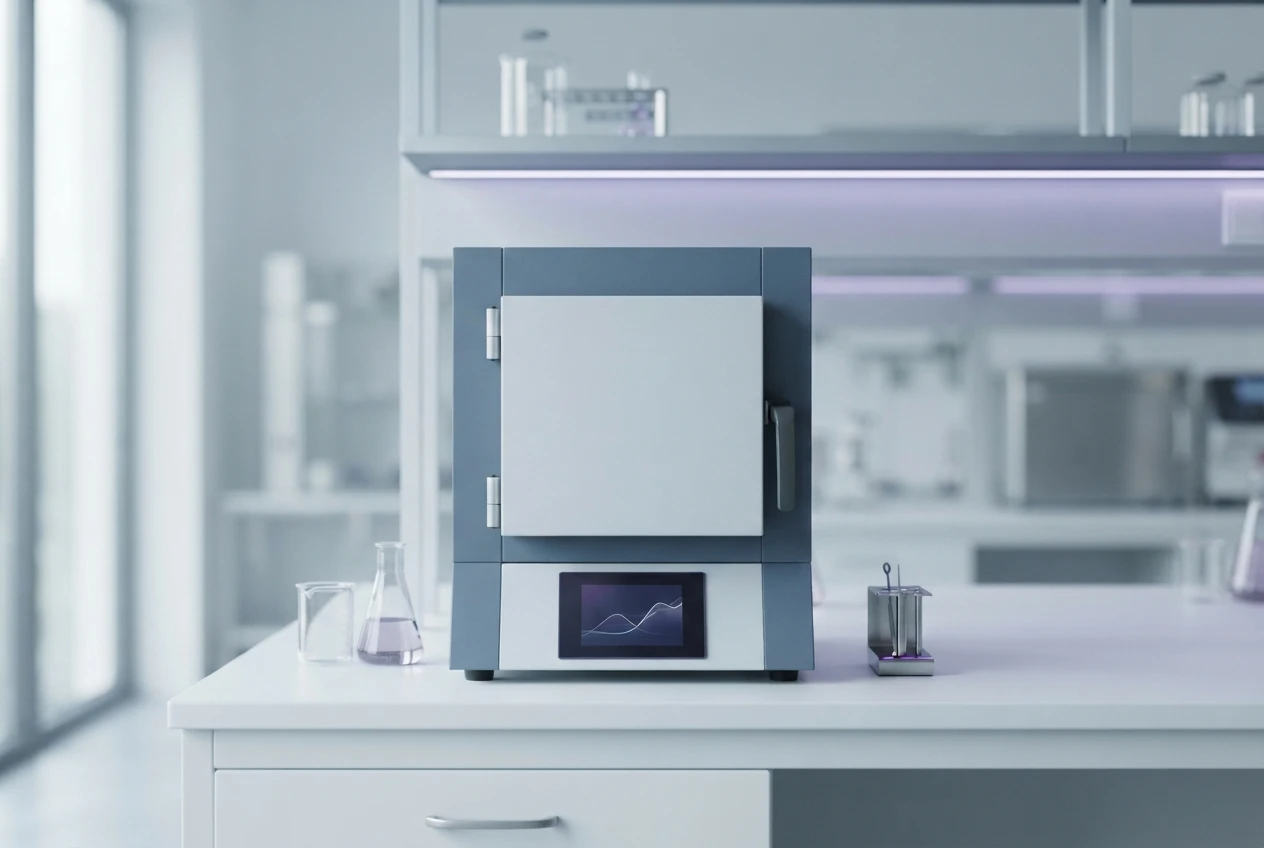
A muffle furnace is what you reach for when a laboratory oven simply cannot get hot enough. Where ovens operate in the drying-and-curing range, muffle furnaces reach the high temperatures needed to burn a sample down to its inorganic residue. If you run ashing, loss-on-ignition, or heat-treatment work, this guide covers what these furnaces do and the specs that actually determine your results.
1. What "Ashing" and "Ignition" Actually Mean
Ashing is heating a sample to a high enough temperature, in air, to burn off all organic material and leave only the inorganic ash behind. It is the basis of many analytical methods — measuring the mineral or filler content of foods, polymers, soils, and other materials by weighing what remains after the organics are gone. Loss on ignition is the companion measurement: the mass lost when a sample is ignited at high temperature, used to quantify volatile or combustible content. Both depend on the furnace reaching and holding a specified temperature evenly across the load.
2. Why "Muffle" — and Why It Matters
The name comes from the design: the heating elements are separated from the chamber so the sample is heated indirectly and never contacts the elements or combustion by-products directly. This "muffling" keeps the sample clean and the heat radiant and even. It is why a muffle furnace, rather than a direct flame, is the standard tool for quantitative ashing where contamination would corrupt the result.
3. Temperature Uniformity — the Spec That Decides Your Results
The most important specification on a muffle furnace is not its maximum temperature; it is its temperature uniformity — how evenly the whole chamber sits at the setpoint. Here is why it matters: if one crucible sits in a hotter zone than another, samples ash to different degrees, and your replicate results diverge for no reason in the chemistry. Good uniformity means every crucible on the shelf experiences the same thermal history, so results are reproducible. When comparing furnaces, weigh uniformity and stability at your working temperature as heavily as the headline maximum.
4. Heating Elements and Temperature Range
Furnaces are built around their heating-element technology, which sets the achievable temperature range. Match the range to your method with headroom — running a furnace continuously near its absolute ceiling shortens element life. Practical points to confirm:
- Maximum temperature with margin above your highest routine setpoint.
- Chamber size and shelving sized to your crucible batch.
- Programmable ramp-and-hold control so you can heat, soak, and cool on a defined profile rather than by hand.
- Ventilation to carry off the fumes and smoke produced as organics burn.
5. Safe, Consistent Operation
High-temperature work has its own discipline. Use appropriate crucibles and tongs, let the furnace and samples cool in a controlled way (rapid cooling can crack crucibles and stress the chamber), and follow a consistent ramp profile so every batch is treated identically. Position crucibles in the same part of the chamber each run to keep results comparable. Adequate ventilation for the fumes released during ashing is essential.
6. Crucibles and Sample Preparation
The furnace is only half the method; the crucible carrying the sample is the other half. Crucible material must survive your working temperature and stay chemically inert to your sample so it neither reacts nor adds mass — the wrong crucible can bias a gravimetric result as surely as a temperature error. Prepare samples for consistency: use similar sample masses across a batch, spread material so it ashes evenly rather than sitting in a deep mound, and pre-dry or pre-char samples that would spatter or flare if taken straight to full temperature. Weighing is where accuracy is won or lost, so let crucibles cool in a desiccator before weighing (a hot crucible sets up air currents on the balance and reabsorbs moisture as it cools), and weigh consistently at the same point in the process each time.
7. Ramp Profiles and Element Care
How you get to temperature matters as much as the temperature itself. A controlled ramp — heating gradually rather than slamming the chamber to setpoint — protects both the sample and the furnace: it prevents samples from spattering or igniting violently and reduces thermal shock on the chamber and crucibles. A defined soak (hold) time ensures the whole load reaches equilibrium before you call the ashing complete. For the instrument's sake, avoid running continuously at the very top of its rated range, which accelerates heating-element wear; specifying a furnace with headroom above your routine setpoint pays off in element life. Programmable multi-step controllers let you encode ramp, soak, and cool as a repeatable recipe so every batch is treated identically.
Choosing the Right Furnace
Pick a muffle furnace by starting from your method's required temperature, then prioritize temperature uniformity and programmable ramp-and-hold control, and size the chamber to your real crucible load. Explore our thermal processing equipment, read the thermal processing buying guide, or request a quote and our team will help you match a furnace to your ashing and ignition protocols.